
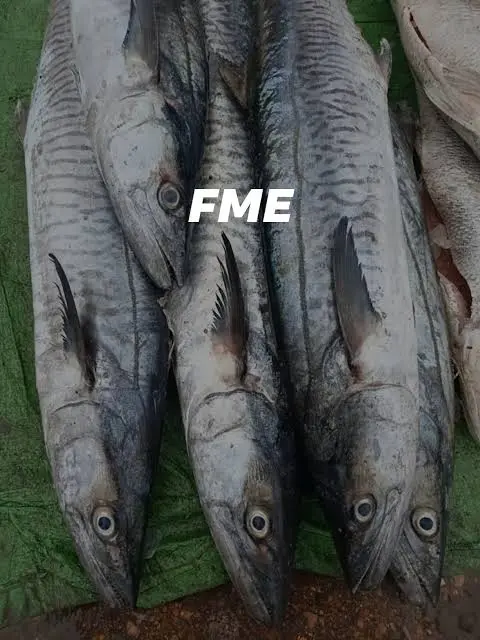
Seafood Distributors: Choosing Quality Products and a Reliable Supplier
Restaurants, hotels, catering companies, and food retailers depend on consistent access to high-quality seafood. From fresh fish and shellfish to specialty frozen products, having a dependable supply is essential for maintaining menu quality and customer satisfaction. Professional seafood distributors help businesses source a wide variety of products while managing purchasing, handling, storage, and delivery.
Choosing the right seafood supplier involves more than comparing prices. Businesses must consider product quality, sourcing practices, food safety, product availability, and delivery reliability. A knowledgeable distributor can simplify purchasing decisions and help food-service professionals maintain consistent standards across their kitchens.
What Do Seafood Distributors Do?
Seafood distributors connect fisheries, seafood producers, importers, and food-service businesses. They purchase products from different sources, manage inventory, and supply customers according to their requirements.
Their responsibilities often include sourcing fresh and frozen seafood, inspecting incoming products, maintaining appropriate storage conditions, processing orders, and coordinating deliveries. Some distributors also provide specialty seafood, prepared products, and additional ingredients for professional kitchens.
For restaurants, working with an established distributor can reduce the complexity of managing multiple suppliers. Instead of arranging separate purchases for different seafood varieties, businesses may access a broader selection through one supply partner.
Types of Seafood Available Through Distributors
A well-established distributor typically offers several seafood categories to accommodate different menus and preparation methods.
Fresh Fish
Fresh fish remains an important ingredient in restaurants, seafood markets, and catering operations. Popular options include salmon, cod, tuna, trout, and regional varieties such as yellow perch.
Restaurants often select fresh fish based on availability, seasonal demand, menu requirements, and customer preferences. Reliable sourcing and appropriate temperature control are essential for maintaining product quality.
Frozen Seafood
Frozen seafood provides flexibility for businesses that need consistent inventory throughout the year. Products may include individually frozen portions, fillets, shellfish, and specialty varieties.
Freezing can help preserve seafood quality when products are processed and stored correctly. It also allows distributors to source products from different regions and maintain supply when fresh availability changes.
Shellfish
Shellfish includes products such as oysters, clams, mussels, scallops, and shrimp. These ingredients are popular in restaurants, seafood bars, and catering menus.
Because shellfish requires careful handling, businesses should work with suppliers that follow appropriate food-safety procedures and maintain reliable sourcing records.
Specialty Seafood
Specialty seafood gives chefs more opportunities to create distinctive dishes. Products may include octopus, squid, caviar, smoked salmon, cuttlefish, and sea urchin.
These ingredients are particularly useful for restaurants that offer premium appetizers, seafood platters, and specialized international menus.
Why Choosing the Right Seafood Distributor Matters
The supplier relationship can influence several parts of a food-service operation. Selecting a dependable distributor helps businesses manage product quality, purchasing schedules, and customer expectations.
Consistent Product Quality
Seafood quality can vary depending on sourcing, processing, storage, and transportation. A reliable distributor should maintain clear procedures for evaluating incoming products and protecting them throughout the supply chain.
Businesses should ask about product specifications, handling practices, and available quality documentation before establishing a long-term purchasing relationship.
Reliable Product Availability
Restaurant menus often depend on specific seafood varieties. Supply disruptions can make menu planning difficult, particularly when a business relies on seasonal or specialty products.
Distributors with established supplier networks may offer alternative products or sourcing options when certain items become difficult to obtain.
Efficient Ordering and Delivery
Professional kitchens operate on schedules, so dependable deliveries are important. A distributor should communicate ordering requirements, delivery days, and product availability clearly.
Regular communication helps restaurant managers plan inventory and avoid unnecessary purchasing problems.
Access to Specialty Products
A distributor with a broad product selection can help chefs explore new menu ideas. Access to specialty seafood and less common ingredients may allow restaurants to introduce seasonal dishes and differentiate their offerings.
Important Food Safety and Sourcing Considerations
Food safety should be a major consideration when evaluating seafood suppliers. Businesses should understand how products are sourced, processed, stored, and transported.
Temperature Management
Seafood requires appropriate temperature control throughout handling and delivery. Fresh products should be kept properly chilled, while frozen items must remain frozen during transportation and storage.
Restaurants should inspect deliveries promptly and follow established food-safety procedures when receiving products.
Traceability
Traceability helps businesses understand where seafood originates and how it moves through the supply chain.
Distributors that maintain sourcing documentation can provide useful information about suppliers, harvesting locations, and product handling. This information supports responsible purchasing and helps businesses make informed decisions.
Food-Safety Standards
Ask potential suppliers about their food-safety programs, inspection procedures, and relevant certifications. HACCP-based practices and appropriate shellfish certifications are important considerations for businesses purchasing seafood.
Catanese Classics reports following HACCP regulations and maintaining Interstate Shellfish Certification as part of its food-safety approach.
How to Choose the Best Seafood Distributor for Your Business
Finding a suitable supplier requires evaluating both immediate purchasing needs and long-term business goals.
1. Review Product Selection
Start by identifying the seafood varieties your business uses regularly. Consider whether the supplier offers the right balance of fresh fish, frozen products, shellfish, and specialty ingredients.
A broad selection can simplify ordering and make it easier to adjust menus.
2. Evaluate Sourcing Practices
Ask where products come from and how suppliers evaluate their sourcing partners. Responsible sourcing and traceability can support better purchasing decisions.
3. Confirm Delivery Coverage
Check whether the distributor serves your business location and offers delivery schedules that match your operating requirements.
Clarify order deadlines, minimum purchase requirements, and procedures for handling availability changes.
4. Compare Product Quality and Value
Price matters, but the lowest quoted cost does not always represent the best overall value. Consider product specifications, consistency, packaging, handling, and delivery reliability.
Comparing these factors provides a more complete picture of what a supplier offers.
5. Assess Customer Support
A knowledgeable sales representative can help businesses understand product options, availability, and purchasing requirements.
Responsive communication becomes especially valuable when restaurants need alternative products or adjustments to regular orders.
Why Catanese Classics Is Worth Considering
Businesses looking for a seafood supplier in Ohio can consider Catanese Classics. Based in Cleveland, the company supplies fresh and frozen seafood to restaurants, caterers, retailers, and other food-service customers across Ohio and selected surrounding states.
Its seafood selection includes finfish, salmon, shellfish, and specialty products. The company also offers premium meats, imported and domestic cheeses, and specialty ingredients, giving professional kitchens access to several product categories through one supplier.
Catanese Classics emphasizes responsible sourcing, product traceability, and food-safety practices. Its purchasing team works with suppliers from different regions to maintain product variety and respond to changing market conditions.
The company also offers a Lake Erie yellow perch program, sourcing fish from local day-boat operations. This provides an additional option for businesses interested in regional seafood products. Availability can change, so customers should contact the sales team for current selections and delivery information.
Common Mistakes to Avoid When Selecting a Supplier
One mistake is focusing only on price without considering product quality and delivery consistency. Another is failing to ask about sourcing documentation or food-safety procedures.
Businesses should also avoid ordering unfamiliar quantities without understanding storage capacity and expected demand. Purchasing too much seafood can create unnecessary inventory challenges, while insufficient ordering may disrupt menu availability.
Maintaining regular communication with suppliers and reviewing purchasing patterns can help prevent these problems.
Conclusion
Seafood distributors play an important role in helping restaurants, retailers, and catering businesses access quality fish, shellfish, and specialty products. The right supplier offers more than a product catalog; it provides dependable sourcing, appropriate handling, useful communication, and delivery support.
By evaluating product variety, food-safety practices, traceability, pricing, and service reliability, businesses can build stronger supplier relationships. A carefully selected seafood distributor can make purchasing more manageable while helping professional kitchens maintain the quality their customers expect.


