
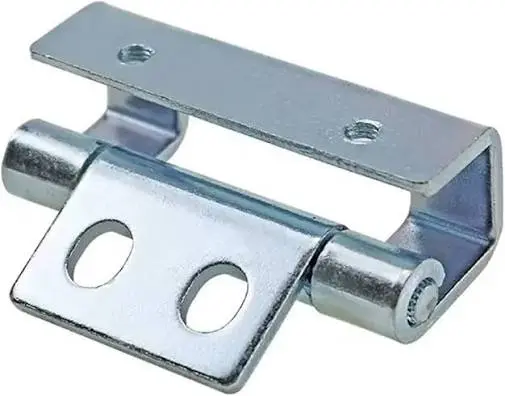
Electric Hinges: Types, Benefits, and Commercial Applications
Modern commercial buildings increasingly rely on electronic access control systems to manage entry, protect valuable spaces, and improve security. These systems require more than electronic locks and access readers. They also need reliable ways to transfer electrical power and signals between stationary door frames and moving doors. Electric hinges provide an effective solution by combining conventional door movement with concealed electrical connections. Understanding the features of electric hinges can help building professionals and equipment designers make informed decisions when selecting compatible door hardware.
Unlike standard hinges, electric hinges incorporate electrical conductors that connect door-mounted devices to wiring inside the door frame. This arrangement supports electronic locking systems while maintaining a clean appearance. They are commonly considered for commercial facilities, healthcare buildings, educational institutions, and other environments where controlled access is important.
What Are Electric Hinges?
Electric hinges, also called electrified hinges or power transfer hinges, are specialized door hinges designed to transfer electrical power or signals from a door frame to equipment installed on the door.
They typically contain concealed conductors within the hinge structure. These conductors maintain an electrical connection as the door opens and closes, allowing compatible electronic hardware to operate without relying on exposed wiring.
Depending on the model, electric hinges may support devices such as:
- Electronic door locks
- Electrified exit devices
- Door-position monitoring equipment
- Access control hardware
- Certain door-mounted security devices
The number of conductors, electrical ratings, and compatibility requirements vary by product. Selecting a hinge based on the actual electrical requirements is essential for dependable operation.
Common Types of Electric Hinges
Different electric hinge designs address different installation requirements and equipment configurations.
Concealed Circuit Hinges
Concealed circuit hinges contain internal electrical connections that remain hidden within the hinge assembly. This design provides a neat appearance while helping protect wiring from accidental contact and tampering.
They are suitable for applications where electronic door hardware needs a connection between the frame and the moving door.
Quick Connect Electric Hinges
Quick connect hinges use compatible connectors to simplify electrical connections between door hardware and the building’s wiring system.
Their connector arrangements can help streamline certain installation and maintenance processes. Compatibility with the selected door hardware and electrical system should always be confirmed.
Heavyweight Electric Hinges
Heavyweight electric hinges are designed for applications involving heavier commercial doors. They generally feature stronger construction than standard-weight versions.
Door dimensions, weight, usage frequency, and manufacturer specifications should guide selection. A suitable hinge arrangement also helps maintain proper door alignment and smooth movement.
Standard-Weight Electric Hinges
Standard-weight electric hinges are intended for compatible doors with less demanding load requirements.
They may be appropriate for many conventional commercial installations, provided the door dimensions, traffic levels, and hardware specifications fall within the manufacturer’s recommendations.
Electric Power Transfer Devices
Electric power transfer devices serve a related purpose by carrying electrical connections between the frame and door. Some designs are concealed within the door and frame, while others use a protective surface-mounted arrangement.
Although these devices are not all technically hinges, they provide alternative solutions for applications requiring electrical transfer across a moving doorway.
How Electric Hinges Work
An electric hinge combines the mechanical function of a traditional hinge with an electrical connection system.
The hinge supports the door and allows it to swing. At the same time, internal conductors provide a pathway for electrical power or signals between the stationary frame and the moving door.
When an electronic lock or another compatible device is installed, the electrical connection allows it to communicate with the associated control system.
Because the wiring is integrated into the hinge assembly, there is less need for exposed cables around the hinge area. This can improve appearance and help reduce opportunities for accidental wire damage.
The specific electrical arrangement depends on the hinge model, conductor configuration, connected devices, and control system.
Benefits of Electric Hinges
Electric hinges offer several advantages in commercial and institutional environments.
Improved Security
Concealed electrical connections make it more difficult for unauthorized individuals to access or interfere with wiring. When integrated with suitable access control equipment, electric hinges support controlled entry into designated areas.
Clean Appearance
Traditional surface-mounted wiring can create a cluttered appearance around commercial doors. Electric hinges help maintain a cleaner installation by routing electrical connections through the hinge itself.
This is particularly useful in modern office buildings, healthcare facilities, and other professionally designed environments.
Protected Electrical Connections
Wiring located inside the hinge assembly is less exposed to accidental contact than many external cable arrangements. This can help reduce certain types of physical damage during normal door operation.
Integration With Access Control Systems
Electric hinges allow compatible door-mounted hardware to connect with access control equipment. This makes them useful in buildings where electronic entry management is part of the overall security design.
Support for Professional Installations
By combining mechanical support and electrical transfer in one component, electric hinges can help create organized door hardware installations when correctly specified.
Common Applications of Electric Hinges
Electric hinges are used in several environments where doors include electronic hardware or monitoring systems.
Commercial Office Buildings
Offices often use electronic access systems to control entry into private work areas, server rooms, and administrative spaces. Electric hinges can support compatible locking devices while maintaining a professional appearance.
Healthcare Facilities
Hospitals and medical facilities contain areas where access needs to be controlled. Electric hinges may be incorporated into compatible door systems serving restricted equipment rooms, records areas, and other controlled spaces.
Educational Institutions
Schools, colleges, and universities use access control systems in administrative offices, laboratories, and selected building entrances. Electrified door hardware can form part of these systems.
Industrial Facilities
Manufacturing plants and industrial buildings may use electronically controlled doors to manage access to equipment rooms, storage areas, and operational spaces.
Data Centers
Data centers require carefully managed access to sensitive equipment and infrastructure. Electric hinges can support compatible electronic locking systems used in controlled-access door assemblies.
Important Factors When Choosing Electric Hinges
Selecting an electric hinge requires consideration of both mechanical and electrical specifications.
Door Weight and Dimensions
The hinge must be suitable for the door’s size, weight, and expected usage. Heavy or wide doors may require a heavyweight hinge configuration and an appropriate number of supporting hinges.
Electrical Requirements
Check the voltage, current requirements, conductor count, and wiring specifications of the connected hardware. The hinge must be compatible with the electrical demands of the complete system.
Installation Configuration
Electric hinges are available in different designs and configurations. Confirm the door preparation, frame requirements, mounting dimensions, and hinge position before selecting a product.
Operating Environment
Consider whether the door is installed indoors or outdoors and whether it may encounter moisture, temperature changes, or corrosive conditions. Material and finish selection should reflect the environment.
Manufacturer Compatibility
Always review technical documentation and confirm that the hinge works with the intended locking hardware and access control system. Professional specification helps prevent compatibility problems.
Maintenance and Inspection Considerations
Regular inspection helps maintain the mechanical and electrical performance of an electric hinge. Building maintenance professionals should follow the manufacturer’s maintenance instructions and applicable facility procedures.
Check for visible wear, loose mechanical connections, unusual door movement, and signs of physical damage. Any electrical performance concerns should be evaluated by a qualified technician.
Avoid using incompatible replacement parts or modifying concealed electrical connections. Proper maintenance and professional assessment help support reliable operation over time.
Conclusion
Electric hinges play an important role in modern commercial door systems by combining conventional hinge functionality with concealed electrical power and signal transfer. Their applications include offices, healthcare facilities, educational institutions, industrial buildings, and data centers.
Understanding the available hinge types, electrical requirements, door specifications, and installation conditions makes product selection more effective. With appropriate compatibility checks and professional installation, electric hinges can support organized, secure, and dependable electronic door systems.


